

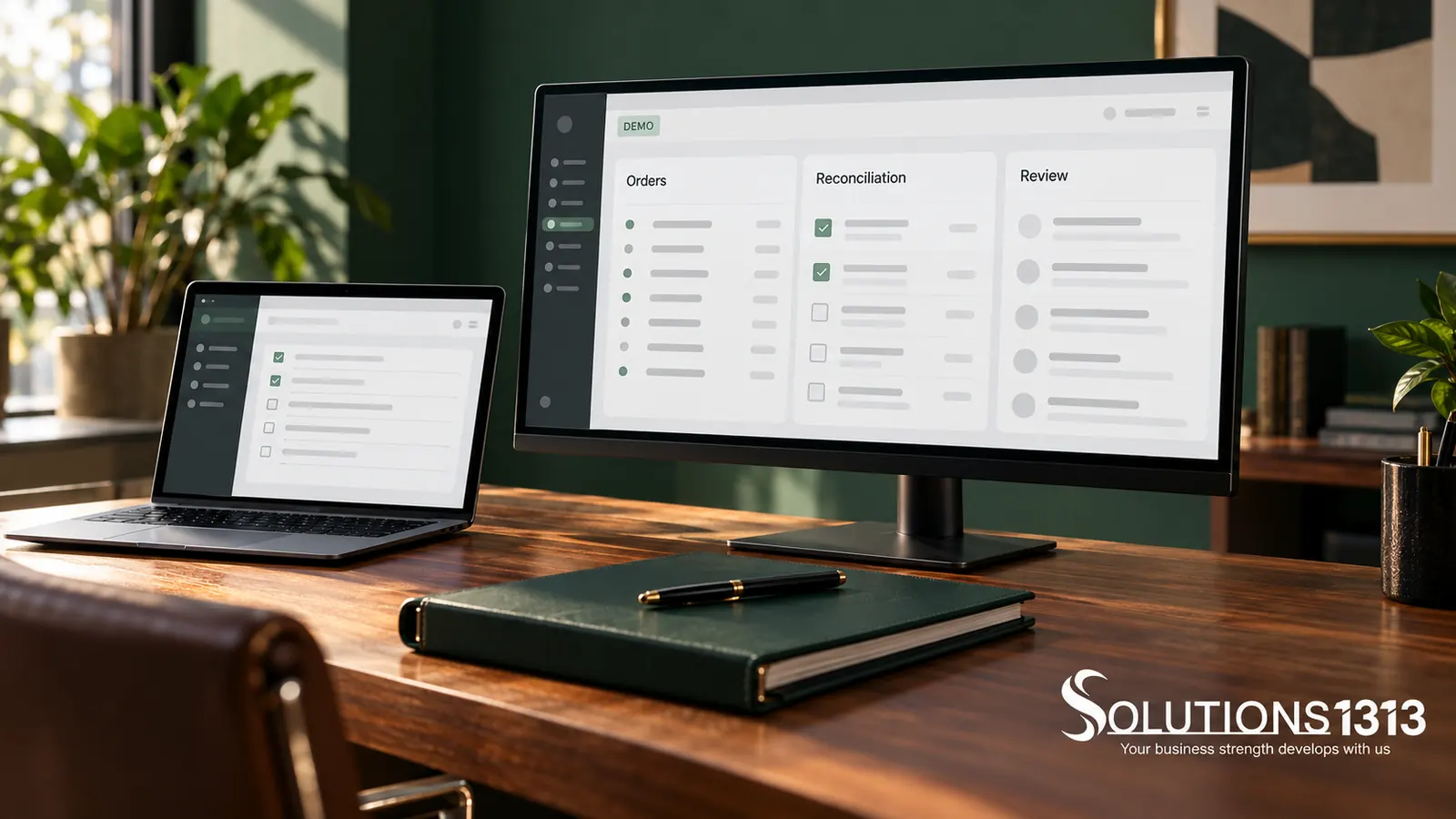
A crypto exchange procurement checklist should collect evidence about the supplier, delivered software, security scope, custody responsibilities and acceptance process before a contract is signed. Use the same operating scenarios for every proposal. Record unresolved requirements instead of treating a demonstration as a complete delivery commitment.
This guide helps you plan a software purchase. It does not approve the proposed exchange business. Qualified advisers should review the operating model, jurisdictions and applicable obligations separately.
Prepare a buyer-owned requirements brief
First, describe customer types, supported tasks, custody arrangements and services from other providers. State what the business will operate internally and what it expects the supplier to provide. Include limits and exclusions.
Next, give suppliers the same set of test cases: account onboarding, an order, cancellation, a withdrawal request, a failed provider response and reconciliation. Use fictional data and a controlled demonstration environment.
Crypto exchange procurement checklist
| Before commitment | Evidence to collect |
|---|---|
| Supplier identity | Verified contracting entity, responsible contacts and permitted references. |
| Product scope | Version, included components, configuration limits and exclusions. |
| Security | Relevant review reports, scope, dates and remediation status. |
| Responsibilities | Custody, compliance operations, hosting and incident ownership. |
| Acceptance | Test scenarios, evidence, defect handling and release criteria. |
| Ownership and exit | Licence rights, source terms, exports, account control and handover. |
Ask to see difficult cases
For example, ask the supplier what happens when a request times out, a notice arrives twice or a process stops halfway. Ask how an authorised operator investigates the issue and what prevents duplicate processing.
Also check restricted roles and exports, not only the admin screen. Review whether the demonstrated version is the one offered in the contract. Keep a record of questions that require follow-up evidence.
Read the boundaries of security evidence
Before relying on a report, confirm the assets and version it covered, who reviewed them and whether they tested the fixes. Request evidence appropriate to the components you are commissioning. Avoid inferring whole-system assurance from a report about one small part.
OWASP’s Application Security Verification Standard can help frame application-security acceptance requirements. It does not cover every custody, market, legal or operational question involved in an exchange business.
Make deliverables and dependencies explicit
Next, write down delivery milestones and the evidence you need to accept the work. Clarify how defects differ from new feature requests, who approves scope changes and what happens when an external provider delays integration.
Also review support terms, working hours, who handles incidents and who provides updates. Ask whether the supplier provides a staffed service or only software tools. Do not assume a dashboard feature includes ongoing operational support.
Review the complete commitment
For a fair cost comparison, separate setup, licence renewals, hosting, outside services and maintenance charges. Identify usage-based items and the person who monitors them. Compare written proposals using the same assumptions.
Keep commercial claims evidence-based. A supplier cannot guarantee genuine trading volume, token listings or market liquidity merely by delivering software. Treat unsupported promises as questions requiring resolution before commitment.
Require a usable handover and exit plan
Finally, test record exports and confirm account ownership. Request deployment documentation, operational procedures and the agreed source or licence rights. Clarify how pending operations are handled during a supplier transition.
Record the final release decision with any remaining limitations. The purchase is complete only when you have the agreed work and test evidence, not when the screen looks finished.
Common questions
Should we accept an audit logo without the report scope?
No. Ask what was reviewed, which version it covered and how findings were resolved.
Can a supplier guarantee legal approval?
Software delivery is separate from regulatory or legal assessment. Obtain qualified advice on the actual operation.
What is the most useful comparison document?
A common requirements and evidence register showing included, excluded, conditional and unresolved items for each proposal.
Commission against a reviewable scope
Share your operating brief and evidence checklist with Solutions1313’s exchange software development service. Ask for clear acceptance criteria and responsibilities before committing.
Use the exchange operating requirements guide to prepare the brief. Then compare white-label and custom exchange delivery before scoring vendor proposals.
